


Before anything
is built.
We decide what is worth building.
Intelligent systems for complex, real-world operations.
Judgment first. Delivery with ownership.
We find the real problem, challenge the obvious answer, and take responsibility for what comes next.
Sometimes reuse is enough. Sometimes it needs to be built. Sometimes the right answer is not to build anything at all.
Our products.
What we have built and run ourselves. Each product keeps its own name and lives on its own address.

 Eeklin BusinessThe business system for a whole company: sales, work, people and money in one place, with Eeklin preparing the next steps.business.eeklin.com

 Odysby Eeklin · From drive to verified fix, across every drive you have ever made, with the reasoning shown.Address to follow
How we engage.
See → Say → Build → Stay.
- SeeWe enter on the problem and the weakness behind the request — before anyone commits budget to a build.
- SayYou get a clear recommendation: what to do, what to stop, and what will not move the needle.
- BuildWe build for your case — only when it is worth owning.
- StayAfter it ships, goals stay shared. Value is measured in the operation, not only in the handoff.
In the room.
Different problems. Same principle.
The technology follows the decision — not the other way around.

Situation
No proof on the ground
Events without a reliable record. Authority without a clear path. The weakness is evidence and time.
- Name what must be proven, where, and for whom
- Refuse theatre that does not change the response
- Put a system that carries proof into the field

Situation
The board is flying blind
Decisions without a clear brief. Data without judgment. The weakness is signal, not volume.
- Separate noise from what moves the decision
- Say what not to chase this quarter
- Put intelligence where the decision is made
Situation
The operation is moving.
The information isn’t.
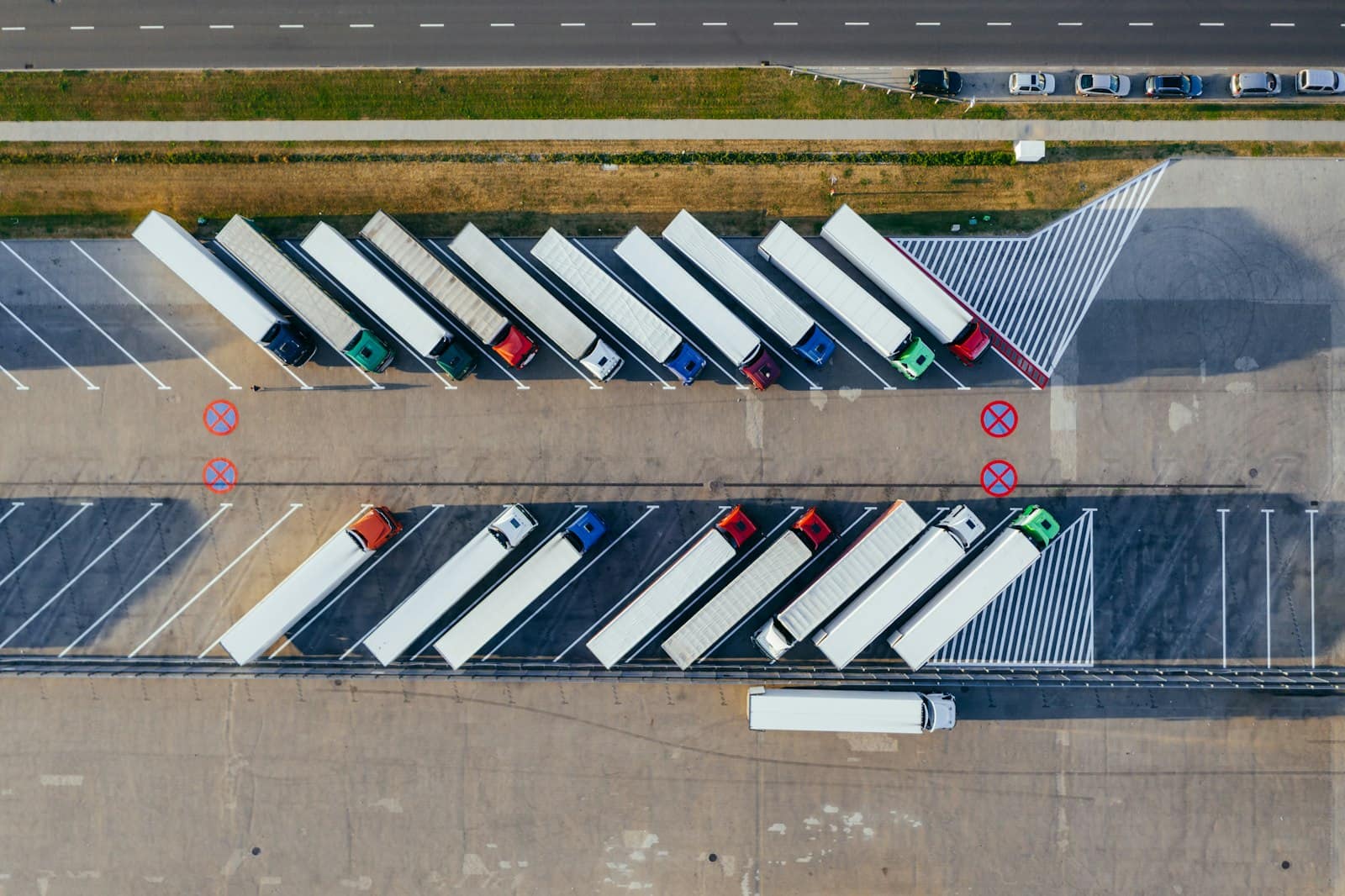
Plants, sites, and fleets generate data constantly — decisions still run on delayed reports and disconnected systems.
- See what is happening across the operation
- Detect what needs attention
- Automate the response
- Put control where the operation runs
Principles.
- How do you work?
- See the real problem. Say what to do and what to stop. Build only when it is worth building. Stay after it ships, with goals shared and value measured.
- What is a briefing?
- Thirty minutes on the problem in the room. Bring the weakness behind the request. We help decide what should happen next — including whether to build at all.
- When do you refuse to build?
- When the request is theatre. When more software would not move the decision. When existing tools cover the need. Sometimes the right answer is not to build anything.
From the notes.
Judgment in public.
- Before anything is builtThe most expensive systems solve the wrong problem cleanly, so before anything is built, start with the real problem and the weakness behind the request.
- Signal, not volumeBoards are drowning in dashboards: the weakness is rarely more data but knowing which few signals should move the decision in front of them.
- Culture is behaviourCulture is not offices, perks or slogans: it is how we treat commitments, people and problems when doing the right thing costs something.
A briefing.
Bring us the problem. We’ll help decide what should happen next.