

Evidence
Proof that travels with the event
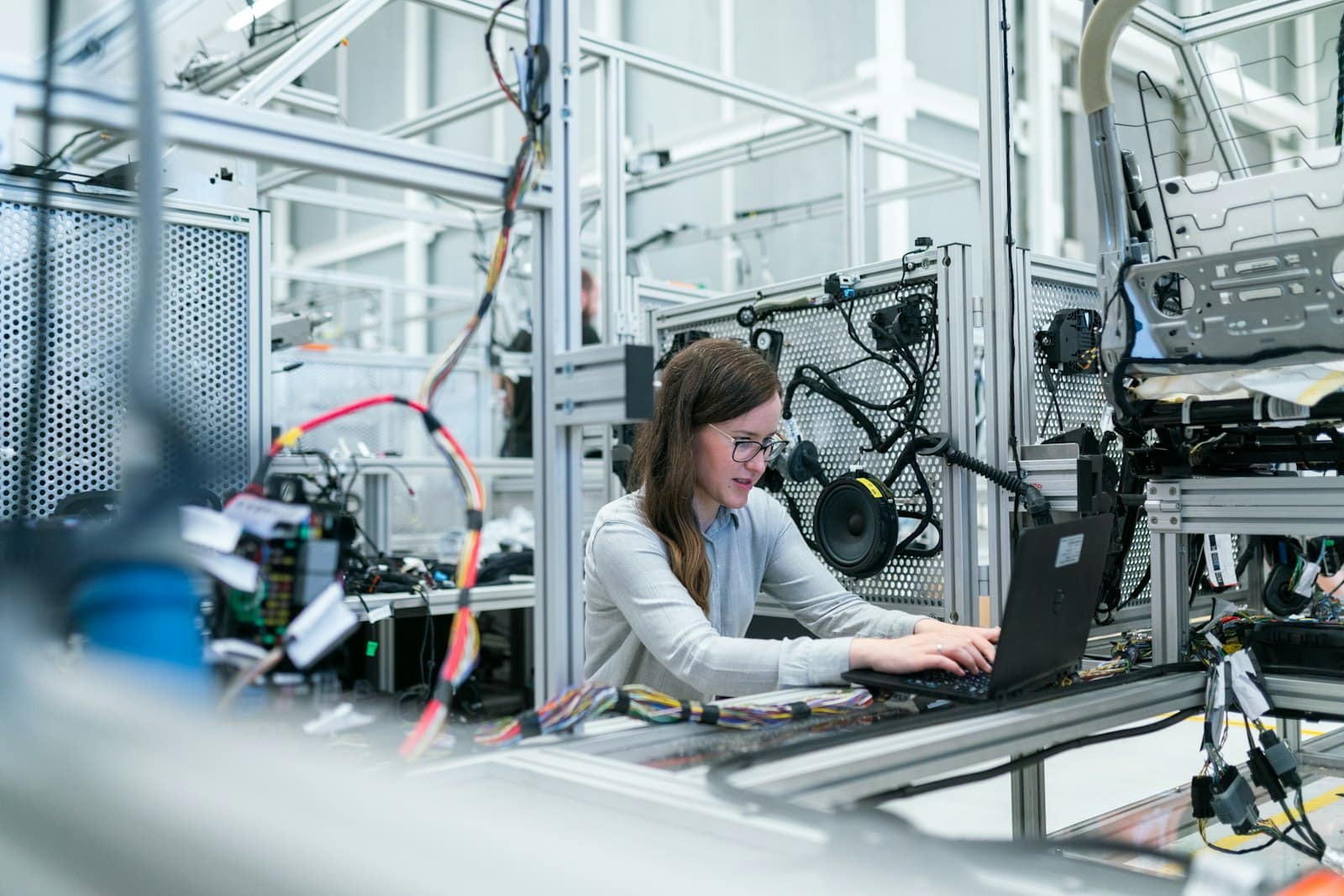
Events without a reliable record leave authority without a clear path. The weakness is evidence and time — not another after-action narrative.
When something happens in the field — a breach, a handoff, an inspection, an incident — the organisation often learns about it through memory, photos on a phone, or a form filled in later. By then the chain of proof is already weak.
Theatre looks like process
Checklists, stamps, and slide summaries can look like control. They do not substitute for a record that is captured at the moment, tied to place and identity, and hard to rewrite after the fact. If the response depends on trust in a story, the system has already failed its job.
Name what must be proven
Before you pick a stack, answer three questions:
- What must be proven — and for whom?
- Where does the proof need to exist — on site, in transit, at the centre?
- What response should change when the proof is strong?
Refuse theatre that does not change the response. Then put a system that carries proof into the field.
Systems, not souvenirs
Intelligent systems for real-world operations earn their keep when they shorten the distance between event and defensible record — and when that record can still be acted on while the situation is live.
That is the standard we hold ourselves to at Eeklin. If you are dealing with proof that arrives too late, bring us the problem.