

IoT
Alerts that arrive too late
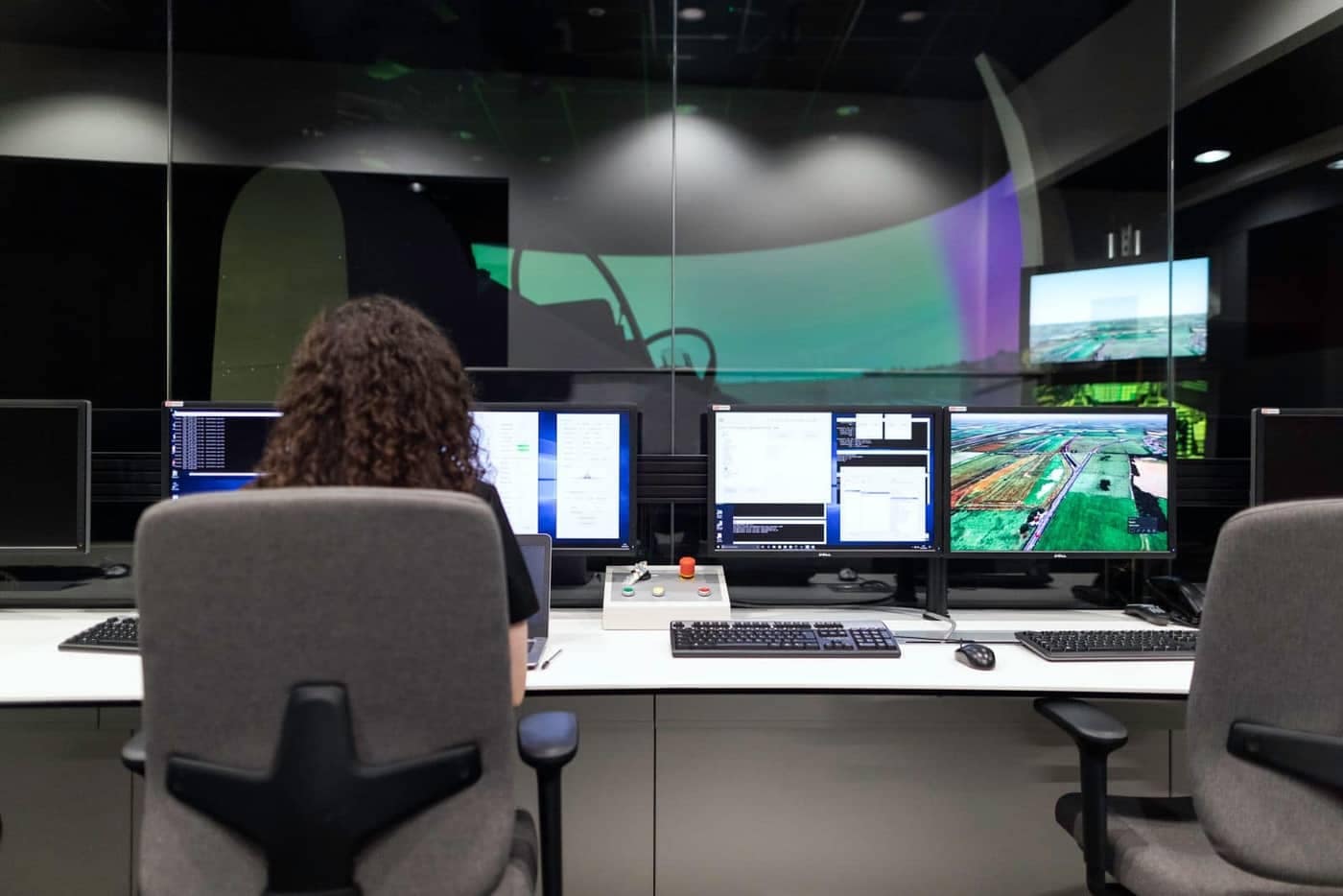
Sensors are rarely the scarce resource. Time-to-decision is. An alert that lands after the line has stopped is a report, not a control loop.
Walk a plant floor after an unplanned stop and you will hear the same sequence: the threshold was known, the message arrived, the people who could act were already behind. Adding more sensors without fixing when and where the signal lands only increases noise.
Late alerts are a design failure
Thresholds, spatial rules, and fault codes only matter if they reach the operator with enough context to decide. A flood of undifferentiated alarms trains people to ignore the board. A silent failure trains them to trust nothing. Both are failures of judgment in how the system is built.
What “early enough” requires
- Rules that fire on the condition that changes the decision — not every measure
- Routing to the role that can intervene on this shift
- Enough context that the first response is not a scavenger hunt across portals
- A path from alert to action, including command when the platform allows it
Refuse theatre
A larger dashboard is not progress if the line still learns after the fact. Sometimes the right move is to tighten the alert set and put control where the operation runs. Sometimes it is to say the existing stack already covers the need — and stop building.
Platform path: Dashboards & alerts on one system. Related: Signal, not volume.